Delhi - Jaipur - Jodhpur - Udaipur - Ranthambore - Agra - Delhi
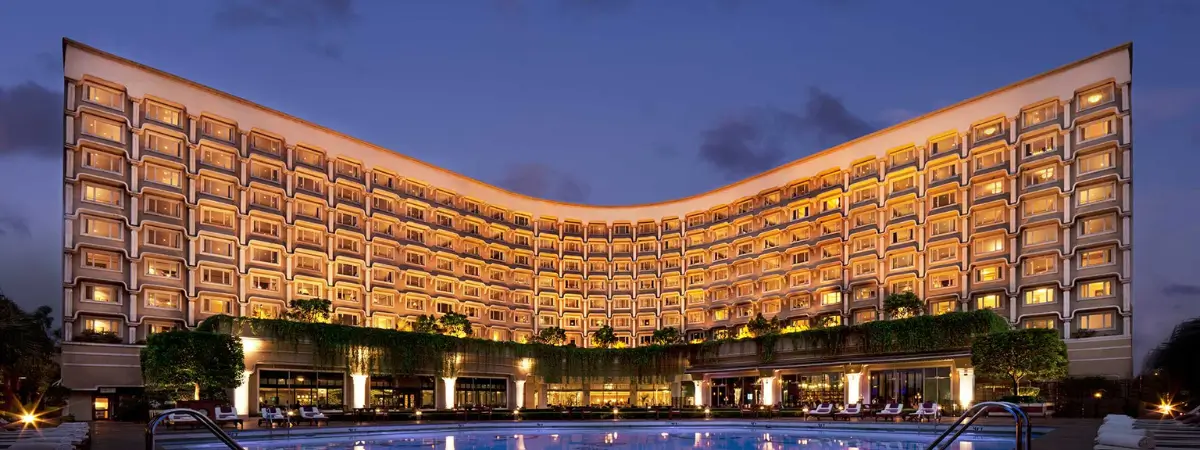
Four royal homes that now carry the Taj name sit at the heart of this sixteen-day route, and each one has a story worth hearing over dinner. Rambagh Palace in Jaipur began as a garden house for a queen's favourite maid and later became the Maharaja's residence. Umaid Bhawan Palace in Jodhpur, finished in 1943, was built partly to give work to farmers during a long drought, and the royal family still lives in one wing. Taj Lake Palace floats on Lake Pichola in Udaipur, while Sawai Madhopur Lodge was the hunting retreat of Jaipur's rulers at the edge of Ranthambore. Our Rajasthan Tour with Taj Palace Hotels links them by private car and driver, adding Delhi at the start and the Taj Mahal at the end.
The pace is set by the hotels rather than the checklist. Most cities get three nights, so you have time for a polo-ground breakfast, a heritage walk with the in-house historian, or an afternoon in the spa between sightseeing sessions. Local English-speaking guides lead the major visits: Nahargarh and Galtaji in Jaipur, Mandore and the Umaid Bhawan museum in Jodhpur, the Jagdish Temple and Saheliyon ki Bari in Udaipur. In Ranthambore you join three jeep safaris in search of tigers, and the drive to Agra includes the deserted Mughal capital of Fatehpur Sikri. For travellers who want a luxury Rajasthan tour where the hotels are as memorable as the forts, this route delivers both, finishing with a sunrise visit to the Taj Mahal.
Tour Highlights
 Package Includes:
 Package Excludes:
Reply within 24hrs
Welcome to India. As you clear immigration and customs at Indira Gandhi International Airport, our representative is waiting outside with a placard bearing your name, and your chauffeur brings the car round to the pickup lane within minutes. The first night is spent at a Taj property in central Delhi, where the staff are already expecting you and an early check-in can be requested for morning arrivals. On the drive in, your chauffeur points out the diplomatic enclave of Chanakyapuri and the tree-lined avenues of Lutyens' Delhi, laid out in the early twentieth century when the British moved their capital here from Calcutta. Please keep your phone switched on after landing so our team can reach you if the flight arrives early or late.
The rest of the day is yours. After a long flight, most guests prefer a swim, a light meal and early sleep, and we deliberately leave the evening open. If you feel energetic, the hotel is close to Khan Market, a small upscale shopping street with bookshops, cafes and boutiques selling Indian linen and handmade stationery. Your travel specialist will drop by or call to walk you through the full route, answer questions about tipping, dress codes at temples and mosques, and confirm the time your guide will meet you tomorrow. For dinner, the hotel's own restaurants are an easy choice on a jet-lagged first night.
Overnight stay in Delhi.
Start in the south of the city at the Qutub Minar, a seventy-three-metre tower of fluted red sandstone begun in 1193 by Qutb-ud-din Aibak. In the same complex stands the Iron Pillar, a fourth-century column that has barely rusted in sixteen centuries, and the ruins of the Quwwat-ul-Islam mosque built with pillars from older Hindu and Jain temples. Drive north to Agrasen ki Baoli, a fourteenth-century stepwell hidden between office blocks near Connaught Place, where 103 stone steps lead down to the old water level. Lunch is at a restaurant of your choice, and your guide can suggest good options. Expect plenty of walking today, so comfortable shoes are a good idea.
In the afternoon, pay respects at Raj Ghat, the simple black marble platform marking the cremation site of Mahatma Gandhi. Then head into Old Delhi for a walk through Khari Baoli, Asia's largest wholesale spice market, where porters carry sacks of chillies, cardamom and dried fruit through narrow lanes and the air makes everyone sneeze. The Red Fort is closed on Mondays, but on other days you can view its Lahori Gate and walk briefly inside the Chhatta Chowk arcade. Return to the hotel for a quiet evening. Your guide will lead the way through the crowds and explain how the wholesale trade works. Back in the car, cold towels and water are waiting.
Overnight stay in Delhi.
Check out after breakfast and set off for Jaipur with your chauffeur, who will be your companion all the way to Agra. The drive of about 280 kilometres takes five to six hours, with a stop for coffee and clean restrooms at a highway rest area. Leaving Delhi, the highway runs past the glass towers of Gurgaon before the scenery turns rural: brick kilns, roadside dhabas serving chai in clay cups, and fields of wheat or millet depending on the season. As you enter Rajasthan, the hills turn rugged and old watchtowers appear on the ridges, a reminder of the forts that once guarded every pass. Your chauffeur keeps a steady pace and avoids overtaking risks, so the drive feels calm rather than hurried.
Rambagh Palace greets arriving guests with a shower of rose petals and a ceremonial welcome at the porch. The building began in 1835 as a garden retreat, became a royal hunting lodge, and was later the home of Maharaja Sawai Man Singh II and Maharani Gayatri Devi until it opened as a hotel in 1957. Spend the evening on the verandah of the Steam bar, set in an old railway carriage, or dine at Suvarna Mahal under painted ceilings and crystal chandeliers. Ask the front desk about the evening heritage walk, when a staff historian shares stories of the palace's royal guests, from Jacqueline Kennedy to Prince Charles. Peacocks wander the lawns until dusk.
Overnight stay in Jaipur.
Your guide meets you early for the short drive to Amber, the hilltop fort that served as the Kachhwaha capital before Jaipur was founded. Rather than rushing through, today's visit concentrates on Jas Mandir, a private hall decorated with glass inlay and floral alabaster panels, and the zenana quarters where twelve queens each had their own apartment around a shared courtyard. From the upper terraces, look down onto the saffron garden of Kesar Kyari in the middle of Maota Lake. On the way back, pause at Hawa Mahal, whose 953 small windows let royal women watch street processions while remaining unseen. The Jaipur traffic is lighter at this hour, which makes the photographs easier too.
After lunch at Rambagh and a rest during the warmest hours, drive up to Nahargarh Fort on the ridge overlooking the city; the road is narrow and winding, but your chauffeur handles it almost daily. The Madhavendra Bhawan inside has nine identical suites built for the king's queens, linked by corridors so that he could visit any one without the others knowing. Stay for sunset at the Padao terrace as the lights of the pink city come on below. Your chauffeur then takes you back for dinner, or to Bar Palladio in the Narain Niwas gardens for a cocktail in a blue Italianate room.
Overnight stay in Jaipur.
The morning is for the Jaipur city tour of the old walled town. Begin at the City Palace, where the Mubarak Mahal houses royal costumes including the robes of Sawai Madho Singh I, said to have been over two metres tall and weighing 250 kilograms. In the Diwan-i-Khas stand two enormous silver urns, each holding over four thousand litres, which carried Ganges water for the Maharaja's journey to London in 1902. Walk to Jantar Mantar next door, and then to the Albert Hall Museum in Ram Niwas Garden, with its Egyptian mummy, Persian carpet and Indo-Saracenic architecture. Lunch could be at a rooftop restaurant facing the palace walls.
In the late afternoon, drive ten kilometres east to Galtaji, a temple complex set in a narrow gorge where natural springs fill a series of sacred tanks. Hundreds of rhesus macaques live here, and visitors who come at dusk can watch them bathe in the pools while priests ring bells for evening prayers. Wear shoes that slip off easily, as each shrine asks visitors to go barefoot. The setting is a strong contrast to the formal palaces of the morning. Return to Rambagh for a final evening in Jaipur; if your stay coincides with a match at the nearby polo ground, the hotel can arrange seats.
Overnight stay in Jaipur.
After breakfast, leave the pink city for the blue one. The drive of about 340 kilometres takes around six hours on good roads, passing Kishangarh with its marble yards and the salt flats of Sambhar Lake, India's largest inland salt lake, where flamingos gather in the cooler months. A short stop at Ajmer is possible for those interested in the Dargah of Khwaja Moinuddin Chishti, one of the most important Sufi shrines in South Asia. Your chauffeur knows the clean restaurants along the route, and lunch is often taken at a roadside heritage property near Beawar. Expect plenty of roadside stalls selling fresh guava, peanuts and tea along the way.
You arrive at Umaid Bhawan Palace in the late afternoon. Built between 1929 and 1943 on Chittar Hill, it was one of the last great palaces of the princely age, and its 347 rooms make it one of the largest private residences in the world. The Art Deco interiors, with their black marble, chrome and murals by the Polish painter Stefan Norblin, are unlike anything else in Rajasthan. Take tea on the terrace overlooking the lawns as the sun sets over Mehrangarh across the city. The palace staff will show you to your suite, many of which keep their original furniture. Dinner at Risala, named after the Jodhpur Lancers, serves continental and Indian dishes in a room hung with royal portraits.
Overnight stay in Jodhpur.
Begin at Mehrangarh Fort before the midday heat. Your guide focuses on the less hurried rooms today: Takhat Vilas, the private chamber of Maharaja Takhat Singh with Christmas baubles hanging from the painted ceiling, and the Sheesh Mahal, a mirror hall with religious paintings set among the glass. At the top of the fort, the Chamunda Mata temple honours the goddess who protects the Rathore clan. From the ramparts, look over the blue Brahmin houses below, and listen for musicians who play the ravanhatha, a bowed folk instrument, at the fort gates. The audio guide in English is excellent if you wish to linger after your guide finishes.
After lunch, drive nine kilometres north to Mandore, the old capital of Marwar before Jodhpur was founded in 1459. Its gardens hold tall red sandstone cenotaphs of the Rathore rulers, designed like temples, and the Hall of Heroes with fifteen large carved figures of folk deities and warriors. Return to Umaid Bhawan for a guided visit of the palace museum, where you can see clocks, crystal and photographs of the royal family. The vintage car collection near the gate includes Rolls-Royce and Cadillac models once driven by the Maharajas. Your guide will explain how the current Maharaja still lives in one private wing. Dinner tonight could be in the palace's Marwar Hall.
Overnight stay in Jodhpur.
Today's drive takes a scenic route through the Aravalli range by way of Kumbhalgarh Fort, built in the fifteenth century by Rana Kumbha of Mewar. The fort sits at over a thousand metres and is encircled by a wall about thirty-six kilometres long, wide enough in places for horsemen to ride side by side. Your guide meets you at the gate and leads you up to Badal Mahal, the Palace of Clouds, at the summit. Inside the walls lie more than three hundred temples, mostly Jain, and the view stretches across the hills to the Thar Desert on clear days. Allow two hours here, and carry water and a hat, as there are many steps.
After lunch near the fort, continue to Udaipur, arriving in the late afternoon at the Lake Palace jetty, where a boat carries you across the water to the hotel. Taj Lake Palace was built in 1746 as Jag Niwas, a summer pavilion for Maharana Jagat Singh II, and later starred in the James Bond film Octopussy. Each guest is assigned a butler, a tradition from the palace's royal days. Watch the sunset from the Lily Pond courtyard, then dine at Neel Kamal, the hotel's restaurant serving traditional Rajasthani and Mewari recipes. Rooms face either the City Palace, the Aravalli hills or the lily-filled courtyards.
Overnight stay in Udaipur.
A boat brings you to the mainland after breakfast for the Udaipur city tour. Start at the Jagdish Temple, built in 1651 and still in active worship, where carved elephants line the base and devotees sing hymns to Lord Vishnu in the morning. Walk a few minutes to the City Palace, where your guide concentrates on the Amar Vilas hanging garden, the Chini Chitrashala with its blue Dutch tiles, and the Manak Mahal, inlaid with mirrors and glass. From the windows, look back across the lake to the white walls of your own hotel floating in the water. The lanes between the temple and the palace are lined with small shops selling miniature paintings on silk and paper.
After lunch, visit Saheliyon ki Bari, the Garden of the Maids of Honour, laid out for royal women in the eighteenth century with marble elephants, lotus pools and fountains that are fed by the lake without pumps. Continue to Fateh Sagar Lake, where locals gather in the evening for roasted corn and coconut water. Your chauffeur can stop at Moti Magri, a small hill with a bronze statue of Maharana Pratap on his horse Chetak, before returning to the jetty for the boat back to Taj Lake Palace. The boat ride back at dusk, with the palace lit up in front of you, is one of the best moments of the tour.
Overnight stay in Udaipur.
The morning is free to enjoy the Lake Palace at your own pace. Many guests choose a treatment at the Jiva Spa, which operates from a floating boat moored by the hotel, or simply read beside the pool with views of the City Palace. In the late morning, your guide takes you to the Vintage and Classic Car Collection in the Garden Hotel, the old royal garage, which displays the Maharana's Rolls-Royces, a 1934 Cadillac convertible and a Ford A Model that once took royal guests to the hunting grounds. The display is small but well kept and rarely crowded. Photography is permitted, and the attendants are happy to tell stories about each car.
In the afternoon, drive three kilometres west to Shilpgram, a rural arts complex where traditional huts from Rajasthan, Gujarat, Goa and Maharashtra have been reconstructed. Potters, weavers and musicians work here, and you may watch a tribal dance or try your hand at the potter's wheel. Return to the hotel for sunset cocktails, or ask the staff to set up a private dinner on the hotel's sun deck, a favourite for couples celebrating an anniversary. Your chauffeur will confirm an early start for tomorrow's long drive east. The hotel can also arrange a private boat to Jagmandir island for afternoon tea. Pack tonight, as tomorrow means leaving the lake behind.
Overnight stay in Udaipur.
Take an early breakfast before the boat transfer to the mainland. The road heads north-east to Chittorgarh, about two hours away, where a seven-hundred-acre fort sits on a mesa above the plains. Your guide leads you to the Vijay Stambh, a nine-storey victory tower built by Rana Kumbha in the fifteenth century, and to the palace of Rani Padmini beside a lily pond. The fort's history is one of sieges and sacrifice, and the guide explains the three jauhars, when the women of the court chose death over capture. Also look for the Kirti Stambh, an older tower built by a Jain merchant in the twelfth century. Leave by noon to reach Ranthambore before dark.
The afternoon drive passes Bundi and the fields of Hadoti country, reaching Sawai Madhopur in the early evening. Sawai Madhopur Lodge was built in the 1930s by the Maharaja of Jaipur as a hunting lodge for royal guests, and its tented suites and colonial bungalows now look out over twelve acres of gardens. After a long day in the car, freshen up and enjoy a quiet dinner on the lawn. The naturalist will brief you on tomorrow's safari timings, zone allocation and what to wear. Warm layers are useful, as winter mornings in an open jeep can be cold. The kitchen serves dal baati, garden salads and freshly baked bread.
Overnight stay in Ranthambore.
Wake before dawn for your first jeep safari into Ranthambore National Park. Morning safaris begin around 6:30 am in winter and earlier in summer, lasting about three and a half hours, and zones are allotted by the forest department. The park's dry deciduous forest, lakes and ruins make it one of the best places in India to see Bengal tigers in daylight. You may also spot sambar deer, spotted deer, sloth bears, marsh crocodiles and leopards. Your naturalist reads pugmarks and listens for alarm calls from langurs and deer that signal a tiger nearby. Sightings are never guaranteed, but patience and a quiet jeep make a real difference.
Return to the lodge for a late breakfast and rest in the gardens during the heat of the day. The afternoon safari starts around 2:30 pm in winter and runs until sunset, giving a second chance to see wildlife as animals come to drink at the lakes of Padam Talao and Rajbagh. Note that the park closes during the monsoon, from July to September, and some zones remain closed on Wednesday afternoons. Back at the lodge, swap safari stories around the bonfire before dinner under the stars. The lodge has a pool, a library of old hunting records and a heritage bar with cane chairs.
Overnight stay in Ranthambore.
A final morning safari takes you into a different zone, raising the odds of a tiger sighting. Many guests find that the third outing is the one where everything comes together: a tigress crossing the track, a leopard draped over a branch, or a crested serpent eagle swooping down on prey. Your naturalist carries binoculars and a field guide and is happy to help you identify birds, from painted storks and treepies to the Indian paradise flycatcher. Return for breakfast and a long rest at the lodge's swimming pool or library. Lunch is served on the lawn, with birdsong all around.
Later in the afternoon, visit Ranthambore Fort, which stands inside the national park on a rock 215 metres above the plains. The fort dates from the tenth century and its Ganesh Temple draws pilgrims from across Rajasthan, who send wedding invitations addressed to the god. Climbing the ramparts gives a fine view of the lakes and forests below, and langur monkeys are always nearby. Alternatively, visit the Dastkar Ranthambore crafts centre, set up to provide work for women in nearby villages. Its shop sells block-printed cushion covers and patchwork bags. Return to the lodge for dinner.
Overnight stay in Ranthambore.
After breakfast, drive north-east towards Agra, a journey of about 290 kilometres and six hours through Dausa and Bharatpur. Break the trip at Fatehpur Sikri, the red sandstone city built by Emperor Akbar in the 1570s and abandoned only fourteen years later, probably because of water shortages. Your guide shows you the Diwan-i-Khas with its single carved pillar, the Panch Mahal with five open storeys of columns, and the Buland Darwaza, the triumphal arch at the entrance of the Jama Masjid. Inside the mosque courtyard, the white marble tomb of the Sufi saint Salim Chishti draws visitors who tie threads on its screens for wishes. Shoes are removed at the mosque entrance, and the stone floor can be hot at midday, so socks help.
Continue the final forty kilometres to Agra and check into a luxury hotel with views of the Taj Mahal from the rooms. The afternoon is open; you might rest by the pool, or take a short drive to Mehtab Bagh, the Mughal garden across the Yamuna River from the Taj, for sunset views of the monument without the crowds. Dinner can be at the hotel restaurant, where Mughlai dishes such as dal makhani, galouti kebab and biryani are served. Your guide will call to confirm the pickup time for sunrise. Set an early alarm and lay out warm clothes, as dawn can be cool in the winter months.
Overnight stay in Agra.
Rise early for a sunrise visit to the Taj Mahal, which opens thirty minutes before sunrise and is closed every Friday, so the route is arranged to avoid that day. Your guide leads you through the red sandstone Darwaza-i-Rauza to the first sight of the white marble mausoleum built by Shah Jahan for his wife Mumtaz Mahal. Take time to look at the pietra dura inlay of carnelian, lapis lazuli and jade, and the Quranic calligraphy that seems to stay the same size all the way up the arch, a careful optical correction. Mobile phones and small cameras are allowed, but tripods and food are not. Return to the hotel for breakfast.
Later in the morning, visit Agra Fort, the red sandstone citadel on the Yamuna where Shah Jahan spent his final years under house arrest, gazing across the river at the Taj from the Musamman Burj. Your guide points out the Khas Mahal and the Sheesh Mahal, where the walls are set with tiny mirrors. In the afternoon, visit a marble inlay workshop run by descendants of the Taj craftsmen, or the Itimad-ud-Daulah tomb, sometimes called the Baby Taj, on the far bank. The guide can also take you to Kinari Bazaar for petha, the sweet made from ash gourd that Agra is known for. Dinner is your last evening meal in India, so make it a memorable one.
Overnight stay in Agra.
After a final breakfast in Agra, your chauffeur drives you to Delhi along the Yamuna Expressway, a smooth six-lane road that covers 230 kilometres in about three and a half to four hours. The departure time is set according to your flight, with a comfortable buffer for check-in and the long security queues at Indira Gandhi International Airport. Your bags are loaded and checked before departure. If your flight is late in the evening, a stop at Dilli Haat or a lunch in south Delhi can be arranged on the way, giving you a last chance to buy shawls, papier-mâché boxes or leather sandals.
Your chauffeur drops you at the terminal and helps with luggage trolleys, and our team stays reachable by phone until your flight is in the air. Sixteen days, four Taj palace stays, three tiger safaris and one sunrise at the Taj Mahal: we hope the trip has given you memories to talk about for years. A day room near the airport can be booked at extra cost if your flight departs after midnight. Thank you for choosing Heritage India Private Tours, and safe travels home. Please keep your passport and printed e-ticket handy, as both are checked at the terminal entrance.
Hear what our happy guests say about their India adventures! From private drivers to guided tours, we make every journey smooth, safe & unforgettable.
 rating score: 5.0 of 5, based on 448 reviews

Complete our inquiry form

Customize your itinerary

Confirm when you're satisfied
1-to-1 Service | Reply within 24hrs | Expert's Advice