Kochi - Munnar - Thekkady - Kumarakom - Kovalam - Thiruvananthapuram
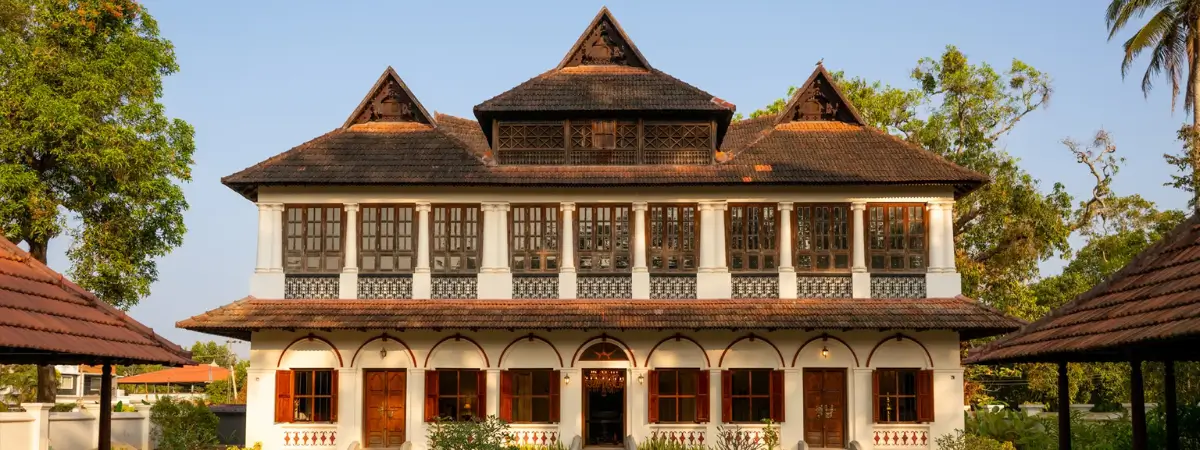
Slow mornings, warm herbal oil and very little to rush for: that is the promise behind our Kerala Ayurveda and Wellness Retreat Tour, an eleven-day route designed for travellers who want to come home rested rather than tired. Kerala is where Ayurveda is still practised as everyday medicine, with family physicians, government colleges and generations of vaidyas, and this tour lets you sample it properly. The itinerary moves gently from the cool tea estates of Munnar to the spice forest of Thekkady, the still waters of Vembanad Lake at Kumarakom and finally the cliffs of Kovalam, where you settle for four nights at an Ayurveda resort. Road transfers are by private car and driver, and none of them start before a calm breakfast.
The wellness side is real, not decorative. On arrival at the Kovalam resort a qualified Ayurvedic doctor checks your pulse, digestion, sleep and medical history, then sets out a programme of treatments matched to your constitution, or dosha. Before that, along the route, you have shorter sessions such as Abhyanga full-body oil massage, Shirodhara with its steady stream of warm oil across the forehead, and Kizhi, where poultices of herbs are pressed along the joints. Morning yoga and breathing classes run at most stops, and the food leans toward light Kerala vegetarian dishes cooked with coconut, curry leaves and very little chilli. Gentle walks through cardamom gardens and a quiet canoe trip on the backwaters complete the Kerala wellness holiday, and our team checks in with you daily.
Tour Highlights
 Package Includes:
 Package Excludes:
Reply within 24hrs
You land at Cochin International Airport, the first airport in the world to run fully on solar power, and our representative meets you at the arrivals exit. The drive to Fort Kochi takes around ninety minutes, crossing the bridges of the Kochi harbour area. For a wellness tour, the first day matters: long-haul travel leaves the body stiff and dehydrated, so we keep the day empty. Your hotel is chosen for its quiet garden and good sleep, and the kitchen is happy to prepare light food such as kanji, a soft rice gruel served with green gram, which Ayurvedic doctors often recommend to settle digestion after travel. Our team can also ask the hotel to arrange an early check-in, so that you can rest without waiting in the lobby.
If you arrive in the afternoon, a short walk along the seafront at Fort Kochi is the best way to loosen up. The cantilevered Chinese fishing nets are lowered and lifted by teams of fishermen at sunset, and the breeze off the Arabian Sea is cool and pleasant. Drink plenty of tender coconut water, sold fresh from roadside carts, and try to stay awake until a normal bedtime so that your body clock adjusts quickly. Your chauffeur will meet you in the morning for a short briefing about the days ahead. Many guests find that a short, light dinner and an early night help more than any sleeping pill.
Overnight stay in Kochi.
The morning begins with a gentle yoga session at the hotel or a quiet seafront walk, followed by breakfast. A local guide then leads you on a slow walk around Fort Kochi, where centuries of Portuguese, Dutch and British rule have left their mark. You see St Francis Church, where Vasco da Gama was first buried, the Santa Cruz Basilica with its painted ceilings, and the old Dutch bungalows along Princess Street. The walk ends with a coffee in one of the small cafes around Burgher Street, many housed in restored colonial buildings with shaded courtyards. The pace is slow, with frequent stops in the shade, so the walk suits all ages and fitness levels.
In the afternoon you visit Mattancherry, where the spice trade still goes on in old warehouses smelling of ginger and pepper. The Mattancherry Palace, also called the Dutch Palace, holds remarkable murals from the Ramayana, and nearby is the Paradesi Synagogue, with its blue Chinese floor tiles. The synagogue is closed on Fridays, Saturdays and Jewish holidays, and the palace on Fridays, so the day is arranged accordingly. If you would like a first treatment, an hour of Abhyanga at a certified Ayurveda centre in Fort Kochi can be arranged, a good way to ease travel stiffness.
Overnight stay in Kochi.
Leaving the coast after breakfast, the road climbs gradually into the Western Ghats through rubber plantations, spice farms and small market towns. About halfway, you stop at the Cheeyappara and Valara waterfalls, which are at their fullest after the monsoon months. The air cools noticeably as you go higher, and by the time you reach Munnar, at about 1,600 metres, the slopes are covered in neatly clipped tea bushes. Your resort sits on a hillside away from the town centre, chosen for its fresh air and the silence at night. Your chauffeur keeps the windows down on the upper stretches if you wish, so you can enjoy the cool forest air.
After lunch, the afternoon is left free so that your body can adjust to the altitude. Most of our resorts here offer an in-house Ayurveda centre, and a Padabhyanga foot massage with warm oil is the recommended treatment today, as it is gentle and calming after a long drive. Later you can sit on your balcony with a cup of Kerala tea brewed with cardamom, watching the mist roll into the valleys. Dinner is light, with dishes such as avial, a mild vegetable stew with coconut and yoghurt, and red rice. A short stroll around the resort garden before dinner helps the body settle after the journey.
Overnight stay in Munnar.
Today starts early, with a sunrise yoga session on a hill terrace overlooking the tea gardens. The instructor focuses on gentle stretches and pranayama breathing, which feels especially clear in the cool mountain air. After breakfast, you set out on a guided walk through the tea estates with a local naturalist, who explains how tea is picked by hand every ten to fourteen days and how the plantations were established by Scottish planters in the late nineteenth century. You may see pickers at work with their baskets, a scene unchanged for over a century. The naturalist also names the birds you hear along the way, including the Malabar whistling thrush.
Later you visit the Tata Tea Museum, which shows the old rolling machines and explains the stages from leaf to cup, followed by a tasting of different grades. The afternoon is reserved for rest, or an optional drive to Eravikulam National Park, home to the rare Nilgiri tahr, a mountain goat found only in the Western Ghats. The park is usually closed for a few weeks in February and March during the calving season. Back at the resort, an evening Abhyanga session with herbal oils helps relax tired legs after the walking. Most guests sleep soundly here, helped by the cool air and the deep quiet of the hills.
Overnight stay in Munnar.
The drive to Thekkady follows a winding route through cardamom hills and small villages, with tea gardens slowly giving way to spice plantations. The road is narrow in places, so your chauffeur takes it calmly, with tea stops at viewpoints along the way. Thekkady sits on the edge of the Periyar Tiger Reserve, and the air here is warm, scented with cardamom and pepper. Your hotel is set in a forest garden, where birds and Malabar giant squirrels are often seen from the balcony in the late afternoon. Along the way, the car passes small markets selling cardamom by the kilo and roadside stalls offering fresh pineapple slices.
In the afternoon you visit a spice garden with an Ayurvedic herb specialist rather than a regular guide. Along with cardamom, pepper, cinnamon and nutmeg, he points out medicinal plants such as brahmi, used for memory, and tulsi, the holy basil used for colds and fevers, and explains how they are used in the oils and powders of Ayurvedic treatment. It is an informative visit that helps you understand the treatments you will receive later. In the evening, the hotel's Ayurveda centre offers a Kizhi treatment with warm herbal poultices to soothe the muscles. It is also possible to buy small bottles of herbal oils at the garden shop, though there is no pressure to do so.
Overnight stay in Thekkady.
The morning nature walk in Periyar Tiger Reserve begins at seven, led by tribal guides trained by the forest department. Walking in small groups through the evergreen forest, you may see Malabar hornbills, langur monkeys, wild boar, and sometimes elephants near the lake. Tigers are rarely seen, but fresh pug marks are not unusual. The walk takes about two and a half hours on mostly level paths, and leech socks are supplied in the wet months. It is a calm, unhurried activity that fits well with the mood of a wellness tour. Wear long trousers and closed shoes, and bring a light raincoat if you visit during or just after the monsoon.
The rest of the day is deliberately left free. Many guests use this time to read, nap or simply sit in the garden, which is exactly what an Ayurvedic doctor would recommend in the middle of a treatment course. If you would like to be more active, an optional bamboo rafting trip or a boat ride on Periyar Lake can be arranged, though both need booking in advance through the forest department. For dinner, try puttu, a steamed rice cake with coconut, served with kadala curry made from black chickpeas. A gentle stroll around Kumily market in the late afternoon is another quiet option, with stalls selling tea and spices.
Overnight stay in Thekkady.
Leaving the hills behind, the road descends through rubber estates and small towns to the backwater country around Kottayam. You reach Kumarakom, on the eastern shore of Vembanad Lake, Kerala's largest lake, by early afternoon. Your lakeside resort sits among coconut palms and narrow canals, and the change in the air from the cool forest to the warm, humid lake shore is clear. Light cotton clothing is best from here onward. After check-in, take time to rest, perhaps with a fresh lime soda in the shade by the water. Kumarakom is a quieter base than Alleppey, with fewer houseboats and almost no road noise at night.
Late in the afternoon a meditation session is held on a jetty facing the lake, guided by the resort's yoga teacher. As the sun sets over the water, kingfishers and egrets settle into the trees, and the only sound is the occasional passing of a country boat. Afterwards you have a Shirodhara session at the resort's Ayurveda centre, with warm medicated oil poured in a steady stream across your forehead. Many guests find it the most deeply relaxing treatment of all and sleep particularly well afterwards. The resort keeps dinner light tonight, as the therapist recommends resting the stomach after Shirodhara.
Overnight stay in Kumarakom.
The drive south to Kovalam runs along the main coastal highway, passing through Kollam and the small fishing towns along the shore. A stop is made at the Sivagiri Mutt in Varkala, a quiet ashram founded by the social reformer Sree Narayana Guru, or at the red cliffs of Varkala itself if you prefer the sea view. You reach Kovalam by mid-afternoon and check into an Ayurveda resort on the cliffs above the beach, your base for the final three nights. The section from Kollam onward runs close to the sea, with glimpses of fishing boats drawn up on the sand.
On arrival, you meet the resort's Ayurvedic doctor for a full consultation. The doctor takes your pulse, asks about your diet, sleep and any health conditions, and identifies your dosha balance. From this, a personalised treatment programme is created for the following days, which may include Abhyanga, Pizhichil, a bath of warm oil poured over the body, Udvartana, a dry herbal powder massage, or Nasyam, a nasal treatment. The doctor also suggests a simple diet, which the resort kitchen follows during your stay. Most programmes also include rest periods after each session, and the doctor will check in with you daily.
Overnight stay in Kovalam.
Kumarakom is at its most peaceful in the early morning, and today begins with a canoe ride through the narrow canals before breakfast. A local boatman paddles a small wooden country boat past village homes, paddy fields and coconut groves, where people are washing clothes or setting out for work. The canals are too narrow for large houseboats, so the only sound is the paddle in the water. You may also visit the Kumarakom Bird Sanctuary, especially rich in birdlife in the cooler months, when herons, darters and migratory ducks gather there. Bring binoculars if you have them, and a light shawl, as the early mornings on the water can feel cool.
After breakfast the rest of the day is for rest and treatments. A full-body Abhyanga massage is followed by a herbal steam bath, which helps the skin absorb the oils. If you would like to stretch your legs in the afternoon, a short walk along the canal banks or a cycle ride through the village is easy and quiet. For dinner, try karimeen pollichathu, pearl spot fish cooked in banana leaf, which is the local speciality, or a vegetarian thali with thoran and sambar. Herbal teas made with ginger, tulsi and cumin are served through the day to help digestion.
Overnight stay in Kumarakom.
Mornings at Kovalam begin with a sunrise yoga class on the resort terrace, followed by your first daily treatment session of about ninety minutes. After a light lunch, you have the option of a half-day visit to Thiruvananthapuram, the state capital, about 16 km away. A guide shows you the area around the Sree Padmanabhaswamy Temple, where only Hindus may enter but the eastern gateway and the temple tank can be seen from outside. Next door is the Kuthiramalika Palace, built of wood and granite by the Travancore kings, with carved horse brackets along its roof and a small museum of royal artefacts.
You return to Kovalam in time for a sunset walk along Lighthouse Beach, where the red and white lighthouse sits on a rocky headland at the southern end of the bay. The evening is calm, with dinner at the resort and early bed, as Ayurvedic treatments are most effective when the body rests well. If you wish to stay at the resort all day instead of going into the city, that is entirely possible, and a second treatment session can be added. The Ayurvedic menu tonight might include a light vegetable soup and red rice with moong dal.
Overnight stay in Kovalam.
On the final morning, you have a short yoga session followed by a closing consultation with the Ayurvedic doctor. The doctor reviews your progress and gives you simple advice to continue at home, such as a daily routine of oil massage, diet suggestions based on your dosha and breathing exercises. If you wish, the resort pharmacy can provide herbal oils or powders to take with you, with clear written instructions in English. It is worth checking the import rules of your home country before packing these. The doctor may also suggest a few simple yoga postures to practise each morning.
After breakfast and check-out, your chauffeur drives you to Thiruvananthapuram International Airport, a journey of about thirty minutes. The airport has direct flights to the Gulf, Singapore and Colombo, along with domestic links to Delhi, Mumbai and Bengaluru, which makes it easy to connect onward. Our team keeps in touch until you check in. If you have time before your flight, a final stop at the Napier Museum, with its Kerala-style roofs and bronze collection, makes a pleasant last outing, though it is closed on Mondays and on Wednesday mornings. Take a moment for one last coconut water outside the terminal before you go in.
Hear what our happy guests say about their India adventures! From private drivers to guided tours, we make every journey smooth, safe & unforgettable.
 rating score: 5.0 of 5, based on 448 reviews

Complete our inquiry form

Customize your itinerary

Confirm when you're satisfied
1-to-1 Service | Reply within 24hrs | Expert's Advice